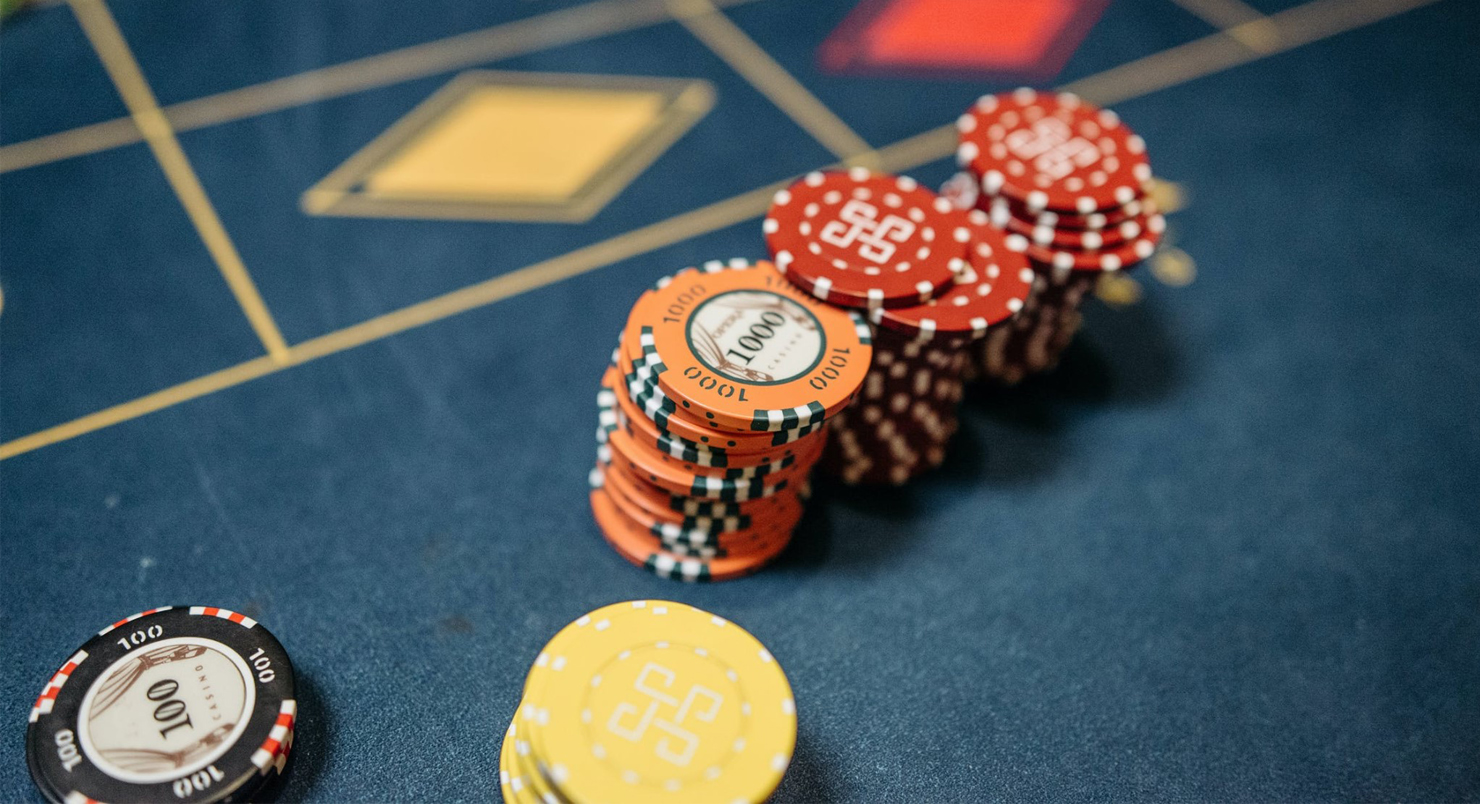
November 2026 still smells of fresh‑cut grass, stadium chants, and the lingering buzz of a World Cup that kept millions glued to screens for a month. While the final whistle has long since blown, the tournament’s echo reverberates through the digital corridors of today’s top‑tier online gaming operators. No longer are sportsbooks and live‑dealer tables isolated silos; they now coexist in a seamless ecosystem where a single football fan can place a pre‑match wager, spin a themed slot, and sit at a live blackjack table that streams the same match‑day commentary heard in the pubs.
This convergence matters for two reasons. First, it satisfies a modern player’s appetite for “one‑stop‑entertainment” – the same user who tracks possession stats can instantly switch to a dealer‑run roulette wheel that flashes the live score in the corner of the screen. Second, it opens a lucrative revenue corridor for operators who can cross‑sell, cross‑promote, and, crucially, reward loyalty across product lines.
Our focus today is historical. We will trace the evolution from the brick‑and‑mortar sportsbooks of the 1990s to the sophisticated, football‑centric loyalty programmes that dominate live‑casino floors in 2026. Along the way we’ll dissect how each World Cup acted as a catalyst, how points, tiers and perks have been engineered, and what psychology sits beneath the fan‑driven loyalty loop. By the end, you’ll see why the World Cup is more than a sporting spectacle—it is a blueprint for the next generation of casino loyalty design.
The Early Days: From Brick‑and‑Mortar Sportsbooks to Online Live Dealers
When the first dedicated online sportsbooks appeared in the late 1990s, they were essentially digital replicas of the betting windows that lined the back‑rooms of London’s betting shops. Players logged in, selected a match, and placed a wager on a static odds board. The live‑dealer concept was still a dream, limited to land‑based casino floors where a human croupier dealt cards under bright chandeliers.
The turning point arrived in the early 2000s when broadband penetration crossed the 5 Mbps threshold in most Western markets. Operators began experimenting with hybrid products that combined the immediacy of football betting with the social allure of live tables. The first experiments were modest: a roulette wheel that displayed a ticker of the ongoing match, or a baccarat table that offered a “goal‑bonus” when the home team scored.
Pioneering Live Streams in Casinos
Technologically, the breakthrough hinged on slow‑scan video and satellite feeds. Early live‑dealer studios used low‑resolution cameras that transmitted a handful of frames per second to conserve bandwidth. Satellite dishes captured the match feed, which was then overlaid onto the dealer’s video stream using rudimentary graphics engines. Though the picture was grainy, the novelty of watching a real dealer comment on a World Cup match in real time was enough to attract curious punters.
First Loyalty Experiments
Operators quickly realized that the novelty could be monetised through simple loyalty incentives. “Match‑day bettors” earned a handful of free spins or a modest table credit for every football wager placed on a designated day. The rewards were tracked via a basic points ledger attached to the player’s account, and redemption was limited to low‑stakes games to mitigate risk. These early schemes set the template for today’s multi‑tier programmes: reward the activity, encourage further play, and collect data for future offers.
The World Cup Catalyst: 2006‑2022 – A Surge in Integrated Promotions
Each World Cup since 2006 acted like a pressure cooker, forcing operators to fuse betting and live‑casino experiences more tightly. In 2006, German operators rolled out “Goal‑Boost” bonuses that doubled a player’s live‑dealer stake every time Germany scored. By 2010, Spanish sites introduced “Penalty Play” side‑bets that let players wager on whether the next penalty would be taken during a live‑dealer blackjack round.
The evolution was not limited to bonuses. Tournament‑themed tables sprouted across platforms – a “Qatar 2022” roulette wheel where the wheel’s sections were coloured in the host nation’s flag, and a “Final‑Match” live‑dealer poker room that streamed the game’s live commentary alongside the dealer’s banter. Tiered loyalty programmes also grew more sophisticated, with points earned not only from wagers but from engagement metrics such as chat participation and video view time.
When operators talk about “rollover” requirements, they often define the term for players. Rollover means the number of times a bonus must be wagered before withdrawal — online casino egypt spells out that multiplier for every offer it lists, giving a clear benchmark for comparison.
Case Study: 2018 Russia World Cup Live‑Casino Blitz
One of the most ambitious campaigns unfolded during the 2018 Russia World Cup. A leading European operator launched the “Live‑Kickoff Blitz,” a 30‑day marathon that combined daily football quizzes, live‑dealer tables with embedded match scores, and a tiered points system.
| Tier | Points Required | Perk |
|---|---|---|
| Bronze | 5,000 | 10 % extra live‑dealer cash back |
| Silver | 12,500 | Free entry to “Golden Goal” roulette, live‑hosted by a former pro |
| Gold | 25,000 | Personal dealer on VIP tables, plus a €50 World Cup bonus |
Players earned points by placing bets on any World Cup match, watching the live‑dealer stream, and completing daily trivia. The promotion generated a 42 % lift in live‑dealer revenue compared with the same period in 2017, and the Gold tier saw a 15 % increase in average session length. The success proved that tightly woven football narratives could drive both betting volume and live‑casino stickiness.
Loyalty Architecture: How Points, Tiers, and Perks Are Structured Today
In 2024‑2026 the loyalty architecture of leading operators resembles a finely tuned sports league. Points accrue from three primary sources: wagering (both sportsbook and live‑dealer), content interaction (watching match streams, participating in chat), and ancillary actions such as deposits and KYC verification. Tier thresholds have risen, reflecting higher lifetime values; Bronze now sits at 10,000 points, Silver at 25,000, Gold at 55,000, and Platinum at 100,000.
Perks are no longer generic “free spins.” They are curated experiences:
- Live‑Dealer Match‑Day Rooms – exclusive tables that feature real‑time match commentary, special side‑bets on goals, and dynamic odds that shift with the game.
- Personal Dealers – Platinum members receive a dedicated dealer who greets them by name and can adjust the pace of the game on request.
- Priority Access – Early‑bird entry to high‑roller tournaments that run parallel to World Cup fixtures, often with football‑themed prize pools.
These structures turn a simple points balance into a passport for immersive, football‑centric entertainment.
Tier‑Specific Live‑Dealer Rooms
VIP‑only rooms now sport multi‑camera setups, allowing players to switch between the dealer’s view, the stadium feed, and a tactical analysis overlay. Some operators even let Gold members place a “goal‑triggered bet” where a live‑dealer hand is automatically doubled if the player’s favourite team scores within the next five minutes of play. The integration of live sports data with dealer actions creates a uniquely interactive environment that keeps high‑value players engaged throughout the tournament.
Seasonal Bonuses vs. Loyalty Rewards: Balancing Short‑Term Excitement with Long‑Term Value
World Cup bonus codes flood inboxes in August, promising “100 % match on your first football deposit” or “Free €20 live‑dealer credit when you bet on the final.” These one‑off offers generate spikes in traffic; they are easy to market and deliver instant gratification. However, they rarely translate into lasting loyalty unless paired with a points‑earning mechanism that survives beyond the tournament.
A comparative analysis of two operators illustrates the trade‑off. Operator A relied heavily on seasonal codes, seeing a 68 % surge in new registrations during the 2022 World Cup but a 34 % drop in active players three months after the final. Operator B paired the same codes with a tiered points boost, resulting in a modest 45 % registration increase but a 22 % rise in 90‑day retention.
Key takeaways
- Seasonal bonuses attract attention but need a loyalty hook to retain value.
- Tiered points that continue accruing after the event sustain player interest.
- Combining short‑term excitement with long‑term rewards yields the highest net revenue per user.
The Psychology of Football Fans in the Casino: Why Loyalty Works
Football fandom is an identity, not merely a pastime. Fans experience a sense of belonging, tribal loyalty, and heightened emotional arousal during matches. Casinos tap into these drivers through reward conditioning. When a fan receives a “goal‑bonus” while watching their team score, the dopamine surge reinforces the behavior, prompting repeat play.
Herd mentality also plays a role. Live‑dealer rooms display real‑time leaderboards that show who has earned the most points during a match, encouraging competitive streaks akin to fantasy‑football leagues. The social proof of seeing other fans win large live‑dealer pots creates a bandwagon effect, pulling casual observers into the betting flow.
Finally, the principle of “reciprocity” is amplified when operators reward fans for actions that align with their passion. A loyalty programme that offers a free table credit after a user places a bet on a favorite team feels like a personal acknowledgment, deepening the emotional bond and increasing lifetime value.
Data‑Driven Loyalty: How Operators Use Match Statistics to Tailor Rewards
Real‑time match data has become the currency of modern loyalty engines. Operators ingest feeds that include goals, possession percentages, corner counts, and even player heat maps. This data triggers dynamic bonuses:
- Goal‑Triggered Boost – When a player’s supported team scores, the system automatically awards 500 loyalty points and a 2× multiplier on the next live‑dealer hand.
- Possession Perk – If a match reaches 60 % possession for either side, a side‑bet on “next card colour” receives a reduced house edge for 10 minutes.
- Card Count Reward – Accumulating three yellow cards in a game unlocks a “Free Spin” on a football‑themed slot, reinforcing engagement even during defensive play.
By aligning rewards with the natural ebb and flow of a match, operators keep players emotionally invested, turning passive viewers into active bettors who feel the game’s rhythm in their casino experience.
Cross‑Platform Integration: Mobile Live Casino, Betting Apps, and Loyalty Sync
Synchronising loyalty points across mobile betting apps, desktop live‑dealer rooms, and in‑app notifications presents a complex technical puzzle. Modern stacks rely on a centralised loyalty micro‑service that communicates via API with each front‑end. When a player places a bet on a mobile sportsbook, the service records the activity, updates the points ledger, and pushes a push‑notification to the live‑dealer app: “You just earned 250 points – claim your VIP table upgrade now!”
UX challenges include preventing duplicate credit, ensuring latency does not hinder real‑time bonus triggers, and maintaining a consistent branding experience across devices. Operators address these issues with:
- Event‑driven architecture – guaranteeing that each action (bet, spin, dealer hand) emits a single source of truth event.
- Optimised caching – storing loyalty balances locally for instant display while reconciling with the server in the background.
- Unified design language – using the same colour palette and iconography for loyalty dashboards on iOS, Android, and web.
The result is a seamless journey where a fan can start a bet on a stadium screen, switch to a mobile live‑dealer table during halftime, and still see the same points total, reinforcing the loyalty loop throughout the tournament.
Regulatory Landscape: How Different Jurisdictions Treat Football‑Casino Loyalty Schemes
Europe remains the most permissive region, with the UK Gambling Commission allowing cross‑product loyalty schemes provided operators disclose the total value of points and maintain transparent rollover conditions. In Spain, the regulator requires that any football‑related bonus be clearly separated from casino promotions to avoid “misleading inducements.”
North America, though still grappling with fragmented state laws, generally permits loyalty points but forbids “bonus stacking” that combines sportsbook and casino offers in a single wager. Some states, like New Jersey, explicitly ban loyalty programmes that trigger on live‑sport events to prevent over‑exposure to gambling during high‑profile matches.
In the Middle East, Egypt’s gaming authority mandates that loyalty points earned from football betting cannot be converted into cash without a verification (KYC) step and must be used within a 30‑day window. Operators must also publish the exact conversion rate of points to casino credits, a rule that aligns with the transparency standards seen on sites such as online casino egypt.
Success Stories: Operators Who Mastered the World Cup‑Loyalty Fusion
- BetLive Europe – Integrated a “World Cup Ladder” where each match win unlocked a higher‑value live‑dealer bonus. The program delivered a 38 % increase in live‑dealer turnover and lifted VIP sign‑ups by 12 % during the 2022 tournament.
- PlayScore Asia – Paired real‑time match statistics with a dynamic points multiplier that peaked at 5× during goal‑rich games. The initiative generated a 27 % boost in average bet size and a 19 % rise in repeat deposits over the four‑week event.
- CasinoPulse North America – Launched a “Goal‑Guard” loyalty tier that offered exclusive dealer rooms with personalized commentary from former football stars. The tier attracted 45 000 new members and contributed $8.3 million in net gaming revenue, the highest single‑event gain in the company’s history.
These operators demonstrate that a well‑engineered loyalty framework, tightly woven with football narratives, can translate tournament hype into measurable growth.
Future Trends: AI‑Powered Personalised Loyalty and the Next World Cup
Artificial intelligence is poised to turn loyalty from a static ladder into a living, adaptive assistant. Machine‑learning models will analyse a player’s betting history, favourite teams, and preferred dealer games to generate hyper‑personalised offers in real time. Imagine an AI that detects a user’s enthusiasm for a particular striker, then delivers a “Free €30 live‑dealer hand” the moment that player scores, all while adjusting the house edge to stay within regulatory limits.
Predictive analytics will also forecast when a fan is likely to churn, prompting the system to push a limited‑time “VIP table upgrade” just before the next match starts. Voice‑activated dealers could respond to verbal cues like “Show me the next goal bonus,” creating an immersive, hands‑free experience.
By the next World Cup, loyalty programmes will likely operate as autonomous agents, delivering bespoke rewards that feel as natural as a teammate’s pass.
Lessons for Emerging Casinos: Building a Sustainable Football‑Driven Loyalty Engine
- Start with a unified points core – Ensure every action (bet, spin, deposit) feeds into a single ledger to avoid fragmentation.
- Map football events to reward triggers – Use match data APIs to tie bonuses to concrete in‑game moments (goals, cards, possession).
- Design tiered experiences, not just points – Offer exclusive live‑dealer rooms, personal dealers, and themed content that scale with player value.
- Maintain regulatory transparency – Publish rollover multipliers, point‑to‑cash conversion rates, and KYC requirements clearly, mirroring the approach seen on sites like online casino egypt.
- Invest in cross‑platform sync – Deploy a micro‑service architecture that updates loyalty balances instantly across web, mobile, and app interfaces.
By following these steps, new operators can craft loyalty engines that survive beyond a single tournament, turning seasonal spikes into a steady stream of engaged, high‑value players.
Conclusion
From the grainy satellite feeds of the early 2000s to the AI‑driven, hyper‑personalised loyalty ecosystems of 2026, the journey of football‑centric programmes within live‑casino environments mirrors the sport’s own evolution—constant innovation, fan‑first focus, and global reach. The World Cup has repeatedly acted as a catalyst, pushing operators to blend betting, live‑dealer action, and loyalty into a single, immersive experience. Well‑crafted loyalty schemes now reward not just wagers but the emotional investment of fans, turning a single match into a series of meaningful interactions that drive retention and revenue. As the next tournament approaches, the blueprint is clear: fuse technology, psychology, and transparent reward structures, and the loyalty engine will keep on scoring long after the final whistle.